Archives
- 2026-04
- 2026-03
- 2026-02
- 2026-01
- 2025-12
- 2025-11
- 2025-10
- 2025-09
- 2025-03
- 2025-02
- 2025-01
- 2024-12
- 2024-11
- 2024-10
- 2024-09
- 2024-08
- 2024-07
- 2024-06
- 2024-05
- 2024-04
- 2024-03
- 2024-02
- 2024-01
- 2023-12
- 2023-11
- 2023-10
- 2023-09
- 2023-08
- 2023-06
- 2023-05
- 2023-04
- 2023-03
- 2023-02
- 2023-01
- 2022-12
- 2022-11
- 2022-10
- 2022-09
- 2022-08
- 2022-07
- 2022-06
- 2022-05
- 2022-04
- 2022-03
- 2022-02
- 2022-01
- 2021-12
- 2021-11
- 2021-10
- 2021-09
- 2021-08
- 2021-07
- 2021-06
- 2021-05
- 2021-04
- 2021-03
- 2021-02
- 2021-01
- 2020-12
- 2020-11
- 2020-10
- 2020-09
- 2020-08
- 2020-07
- 2020-06
- 2020-05
- 2020-04
- 2020-03
- 2020-02
- 2020-01
- 2019-12
- 2019-11
- 2019-10
- 2019-09
- 2019-08
- 2019-07
- 2019-06
- 2019-05
- 2019-04
- 2018-11
- 2018-10
- 2018-07
-
FPS-ZM1 australia br Small molecule homoisoflavonoid in comb
2024-06-06
Small molecule homoisoflavonoid in combination with anti-VEGF therapy Basavarajappa et al. [11] reported a new synthetic homoisoflavonoid compound, SH-11037 by modifying the structure of naturally occurring homoisoflavonoid cremastranone. SH-11037 exhibited promising inhibition of human retinal m
-
br Materials and methods br Results br
2024-06-06
Materials and methods Results Discussion Diabetic kidney disease (DKD) is the most common cause of end-stage renal disease [15], [16]. The pathogenesis of DKD is not fully understood, and there is no effective treatment. Although previous studies suggested that early lesions of DKD are foun
-
AMPK is a cellular energy sensor that
2024-06-06
AMPK is a cellular energy sensor that is phosphorylated in response to high intracellular ADP levels to increase GLUT4 translocation into the cell, and subsequently, increase intracellular glucose levels to provide substrate to replenish ATP levels [25]. In metabolic syndrome, sequestration of plasm
-
In our study we provide evidence for the existence
2024-06-06
In our study we provide evidence for the existence of an endosome-lysosomal pathway for the proteolytic degradation of AR triggered by its interaction with the ESCRT-I component TSG101. The following findings of this study support this notion: (1) We showed that TS101 interacts with endogenous or ec
-
Our observation that squalestatin caused only small differen
2024-06-06
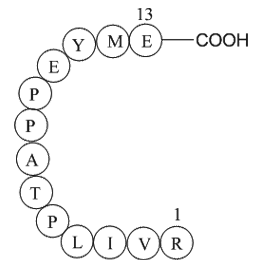
Our observation that squalestatin caused only small differences in the production of Aβ40 and Aβ42 was in contrast to prior reports of the effects of other cholesterol synthesis inhibitors. This may be due to using squalestatin, a more specific cholesterol synthesis inhibitor that does not affect is
-
Hepatic inflammation and fibrosis are hallmarks of the
2024-06-06
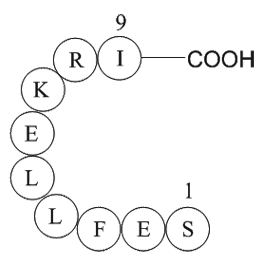
Hepatic xav and fibrosis are hallmarks of the NASH phenotype and are thought to occur in a subset of patients with NAFLD. While it is hypothesized that therapeutic lowering of hepatic lipids will be sufficient to improve hepatic fibrosis and inflammation secondarily, this remains controversial and
-
Previous studies have demonstrated that
2024-06-06
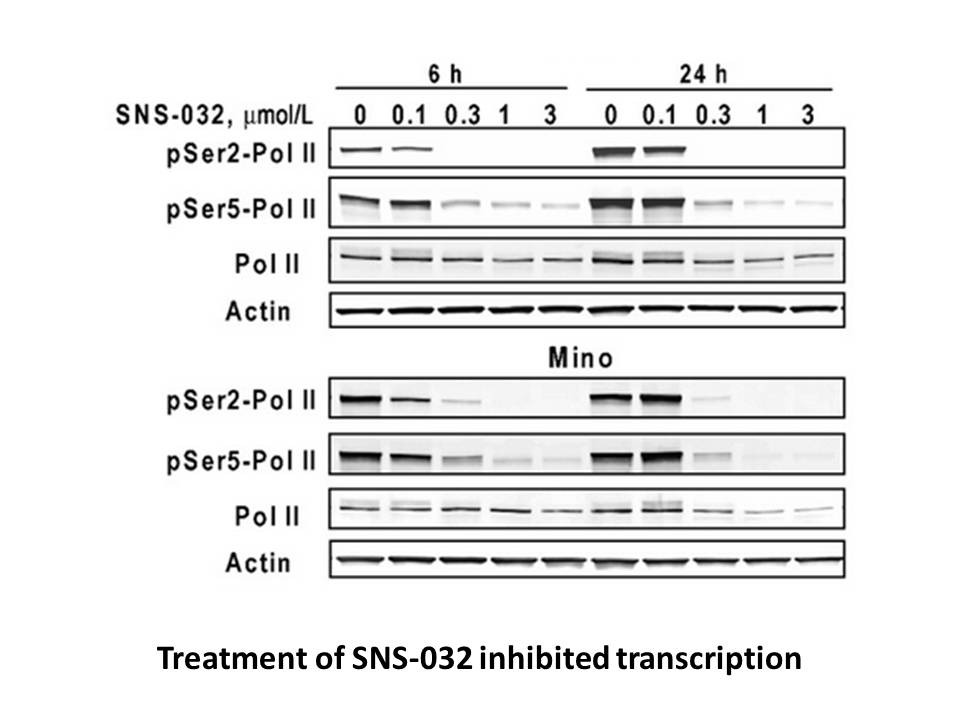
Previous studies have demonstrated that synaptic AMPARs can differ greatly in their mobility; some rapidly and constitutively cytokine receptor in and out of the synaptic membrane, while others remain somewhat stable in the synaptic membrane (Luscher et al., 1999, Luthi et al., 1999). We find that
-
br Conflict of interest br Acknowledgements We would like
2024-06-06
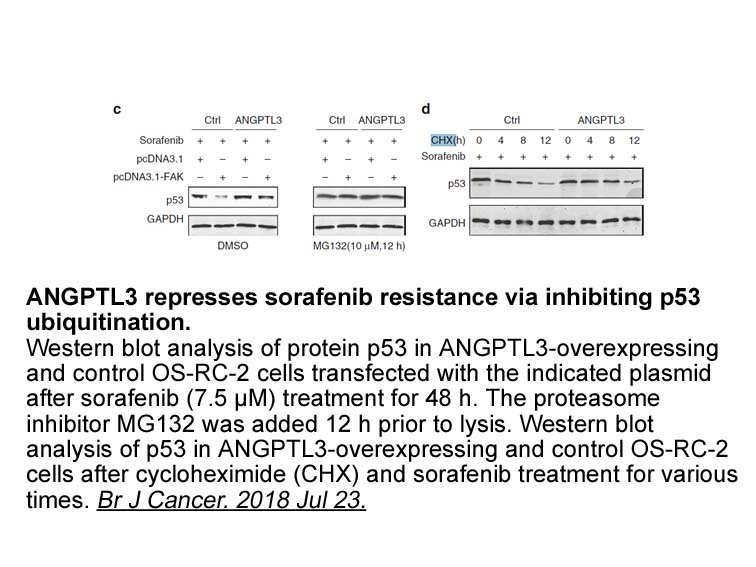
Conflict of interest Acknowledgements We would like to thank Editage (www.editage.jp) for English language editing. This work was supported by Grants-in-Aid for Scientific Research, Japan Society for the Promotion of Science, Grant Number 24592576. Co-existence of β- and β-adrenergic recept
-
A previous study reported that the
2024-06-06
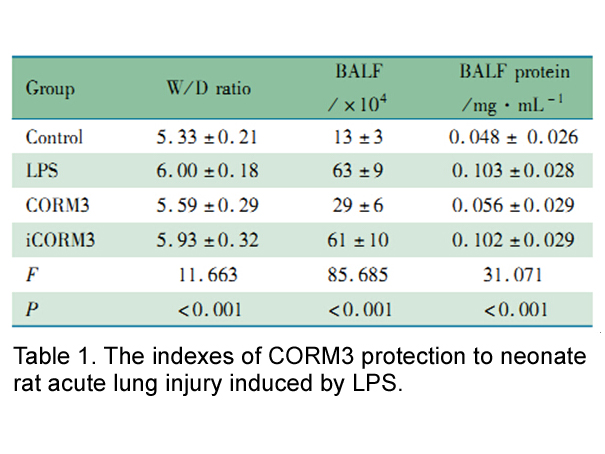
A previous study reported that the serotonergic mechanism was involved in the psychological stress-induced alteration in synaptic plasticity in the rat hippocampal CA1 field (Matsumoto et al., 2004). Sumitaka Inoue et al. (Inoue et al., 2014) reported that pretreatment with a 5-HT1A receptor partial
-
The co crystal structure of blebbistatin bound to myosin
2024-06-05
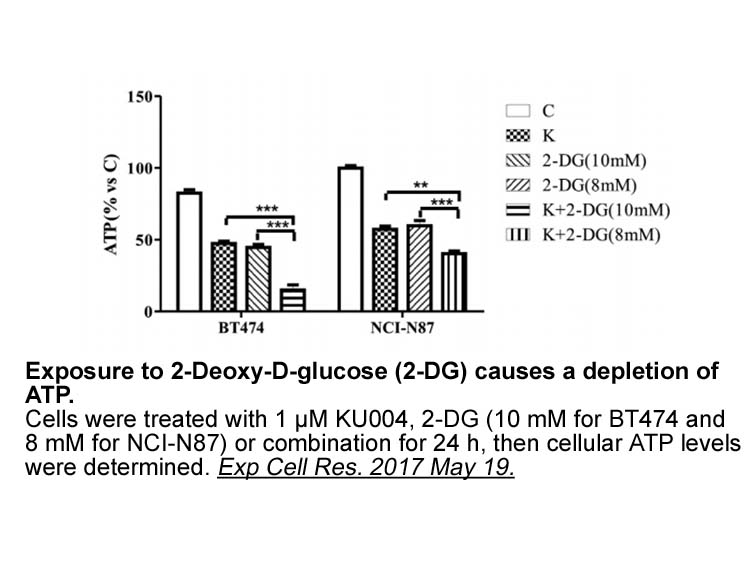
The co-crystal structure of ()-blebbistatin ()- bound to myosin II (PDB: ) was used to scout for possible favorable interactions with the residues lining the binding pocket. Looking at A, we hypothesized that -oriented hydrophilic moieties (e.g. hydroxymethyl) on C of the blebbistatin scaffold migh
-
Here we investigate the ATM to
2024-06-05
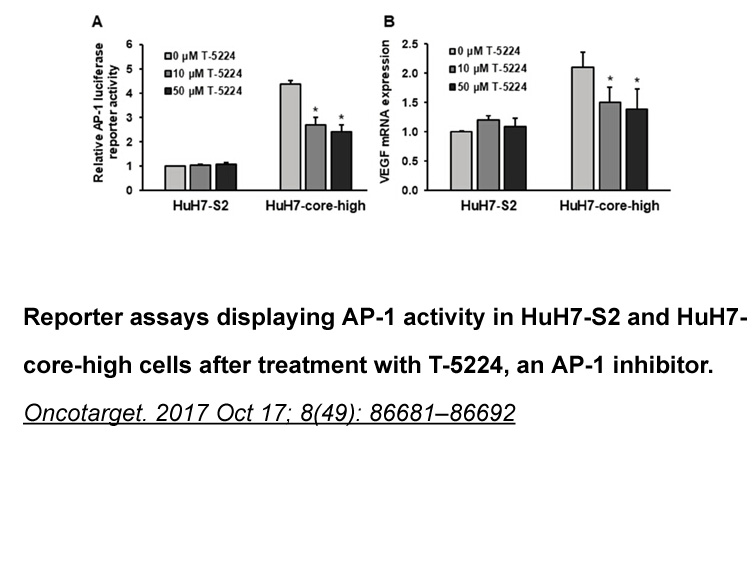
Here, we investigate the ATM to ATR switch in normal human fibroblasts (82-6 cells) after irradiation with γ-rays, or high LET 56Fe and 28Si and moderate LET 16O particles. Our data provide important evidence of LET dependence on the transition of ATM to ATR as well as end resection at the sites of
-
Several structural classes of ASK inhibitors mostly from
2024-06-05
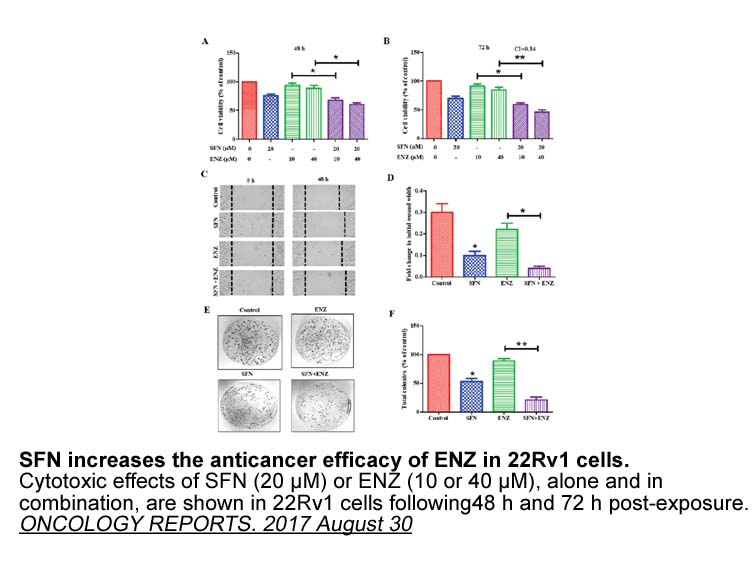
Several structural gsk3 inhibitor of ASK1 inhibitors, mostly from industry but also from academia, have been identified over the last decade. In 2012, Terao et al. (Takeda) reported imidazo[1,2-α]pyridine () as a potent ASK1 inhibitor derived from structure-based drug design. GSK, Merck and Gilead r
-
Apelin induced G i activation
2024-06-05
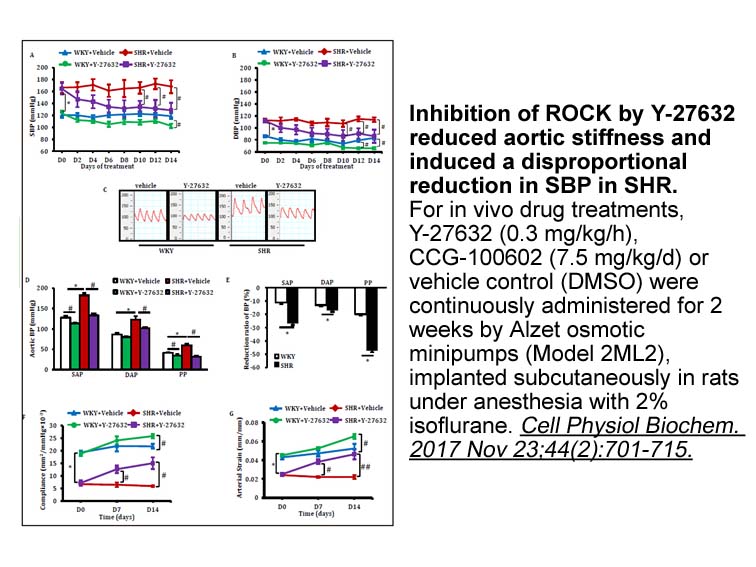
Apelin induced Gαi activation has been demonstrated as a benefiting effect on cardiac contractility [12], [38], [39], and a vasodilator activity that protects against angiotensin-II-induced cardiovascular fibrosis and atheroma [40], [41]. In contrast, stretch causes hypertrophy through diminishing G
-
Although the earlier studies focused on
2024-06-05
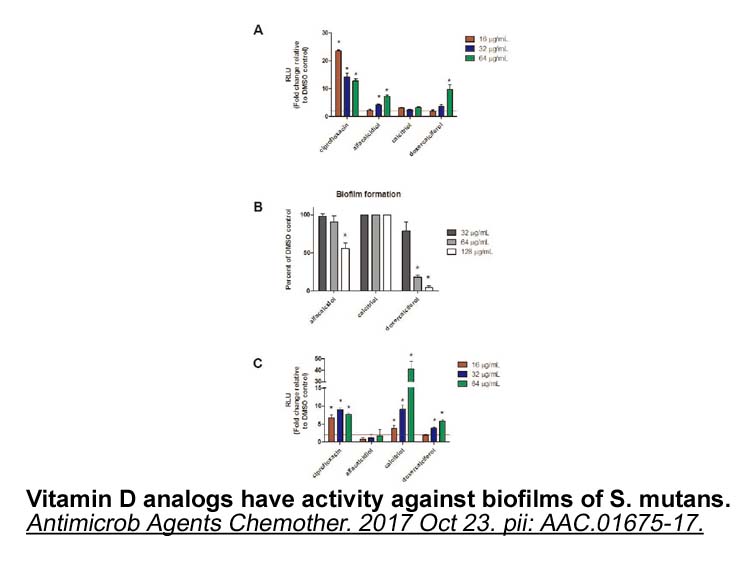
Although the earlier studies focused on the antioxidant capacity of tocopherols, ascorbic SKF 86002 dihydrochloride and carotenoids, then it was noticed that phenolic compounds were more powerful than others (Rice-Evans, Miller, & Paganga, 1996). Phenolic compounds, the most numerous and ubiquitous
-
br Epidemiology br Genetics The dominantly inherited
2024-06-05
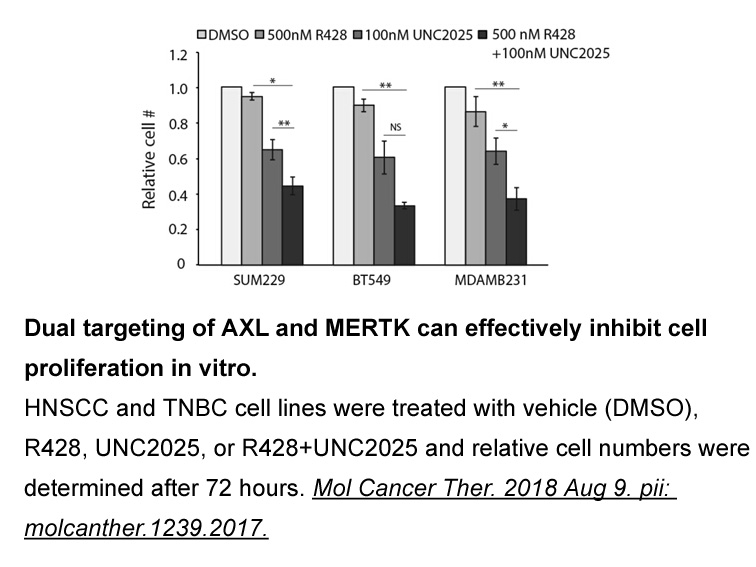
Epidemiology Genetics The dominantly inherited PrP cerebral amyloidoses are genetically transmitted with a penetrance of almost 100%. Early linkage analysis studies helped to established the relationship between GSS and mutations in the PRNP gene. PRNP is located on the short arm of chromosome
16059 records 149/1071 page Previous Next First page 上5页 146147148149150 下5页 Last page